

Just Released - Transplantation Journal - February 2026
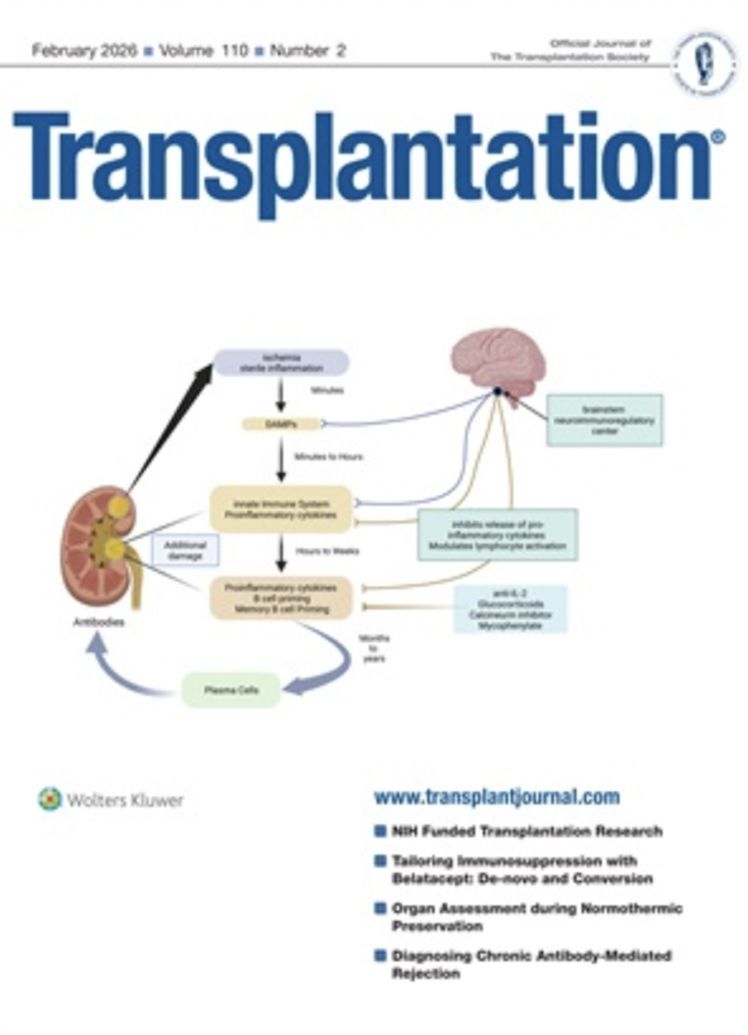
Transplantation sciences have uniquely advanced the clinical art over the last 70 years. Federal funding has always been critical. Since November 2024, the NIH has inaugurated a transplant specific study section that will play a critical role in shaping the future of transplantation research. A special feature in this issue of the journal authored by the inaugural chair, presents an in-depth assessment of this committee’s role and perspective.
Tailoring and optimizing immunosuppression continue to be at the center of any transplant provider. While CNIs represent the mainstay of immunosuppression, side-effects are broadly recognized. Maintenance immunosuppression avoiding CNIs has the advantage of evading some of those side-effects. Belatacept-based regimens, however, have also indicated a higher risk of acute rejections. A review article by key opinion leaders in this issue of the journal, presents data on an optimized conversion to Belatacept.
Novel preservation techniques show great potential with promise to assess, select, preserve and potentially improve organ function. Two experimental studies provide details: Innovative methods are applied to discarded human hearts focusing on incorporating mitochondrial redox state, left ventricular (LV) function, and inflammatory biomarkers into normothermic machine perfusion (NMP) protocols. An additional experimental study in kidneys applied a multi-omics approach to delineate the consequences of preservation and prolonged ischemia.
The diagnosis of Chronic Antibody mediated rejection continues to be a clinical challenge. Peritubular Capillary multilayering is a key diagnostic feature, nevertheless this lesion has not been well defined while variable diagnostic thresholds and criteria have been used. A single center, prospective cohort study provides a detailed analysis and presents peritubular capillary multilayering as a superior histological marker of Chronic Antibody mediated Rejection with high sensitivity.
Enjoy this February issue of the journal with many more highlights.
Stefan G. Tullius, MD, PhD
Editor-in-Chief, Transplantation Journals
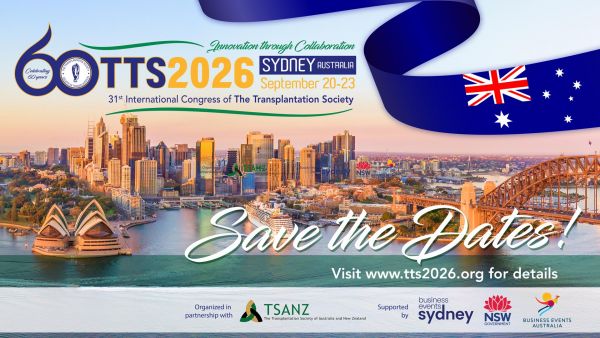
TTS 2026 - Plan Ahead & Submit Your Abstract!

Plan ahead for TTS 2026 — review the week-at-a-glance
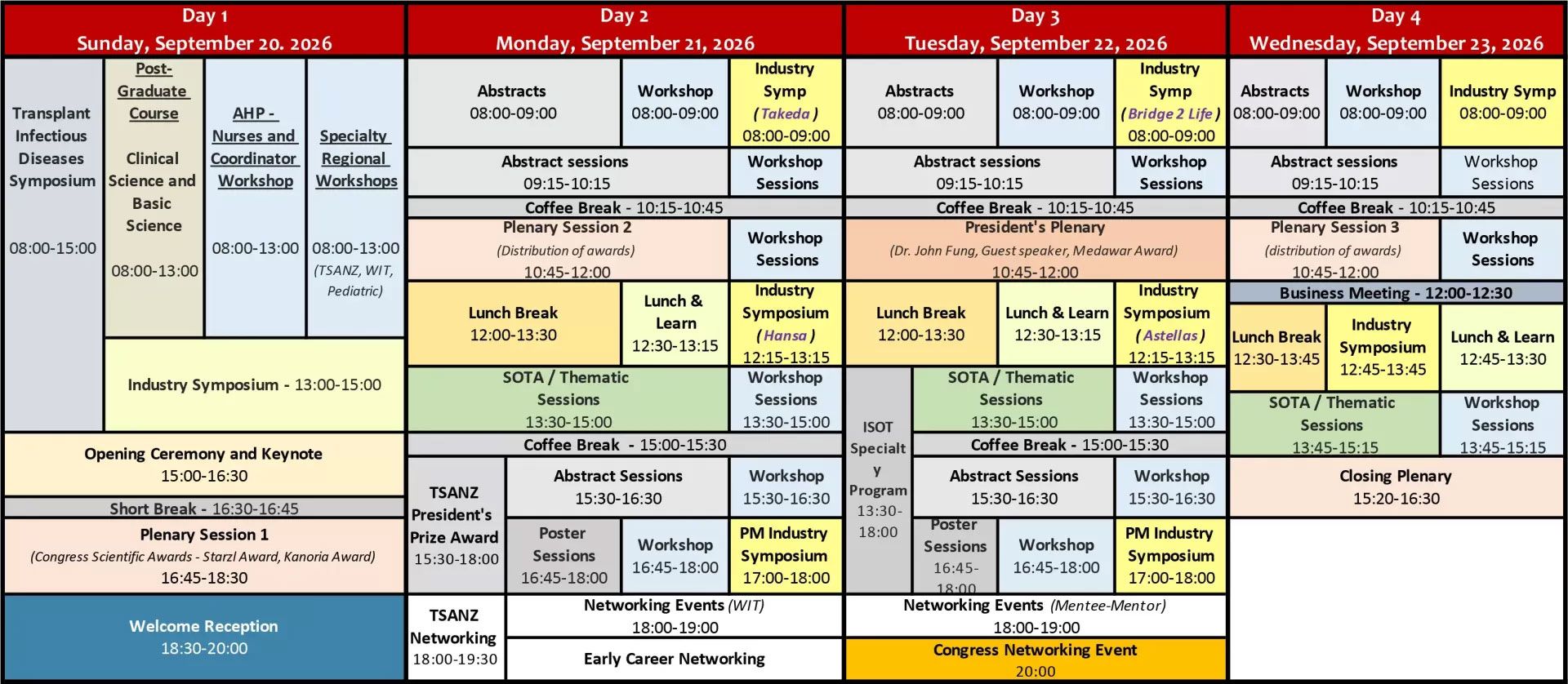
The TTS2026 Scientific Program Committee invites the global transplantation community to submit original scientific abstracts.
📅 Submission deadline: March 19, 2026 — 23:59 (EST)
Call for Nominations Reminder - DEADLINE: FEBRUARY 18, 2026
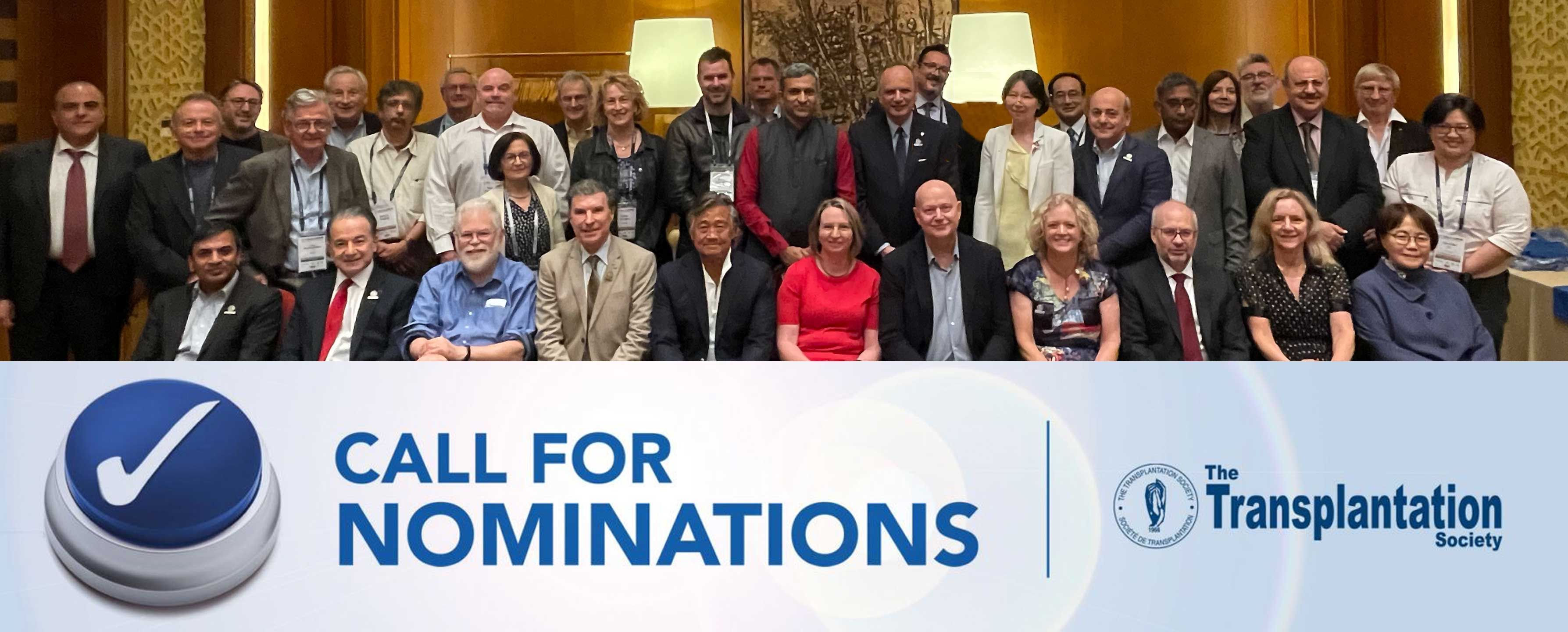
In 2026, three Officer positions will be vacated and 5 of the 14 Councilors-at-large representing the Regions will be changing. The elections will take place in early 2026 and those elected will assume their new roles starting at the 2026 TTS Congress in Sydney.
Transplantation Journal Highlights

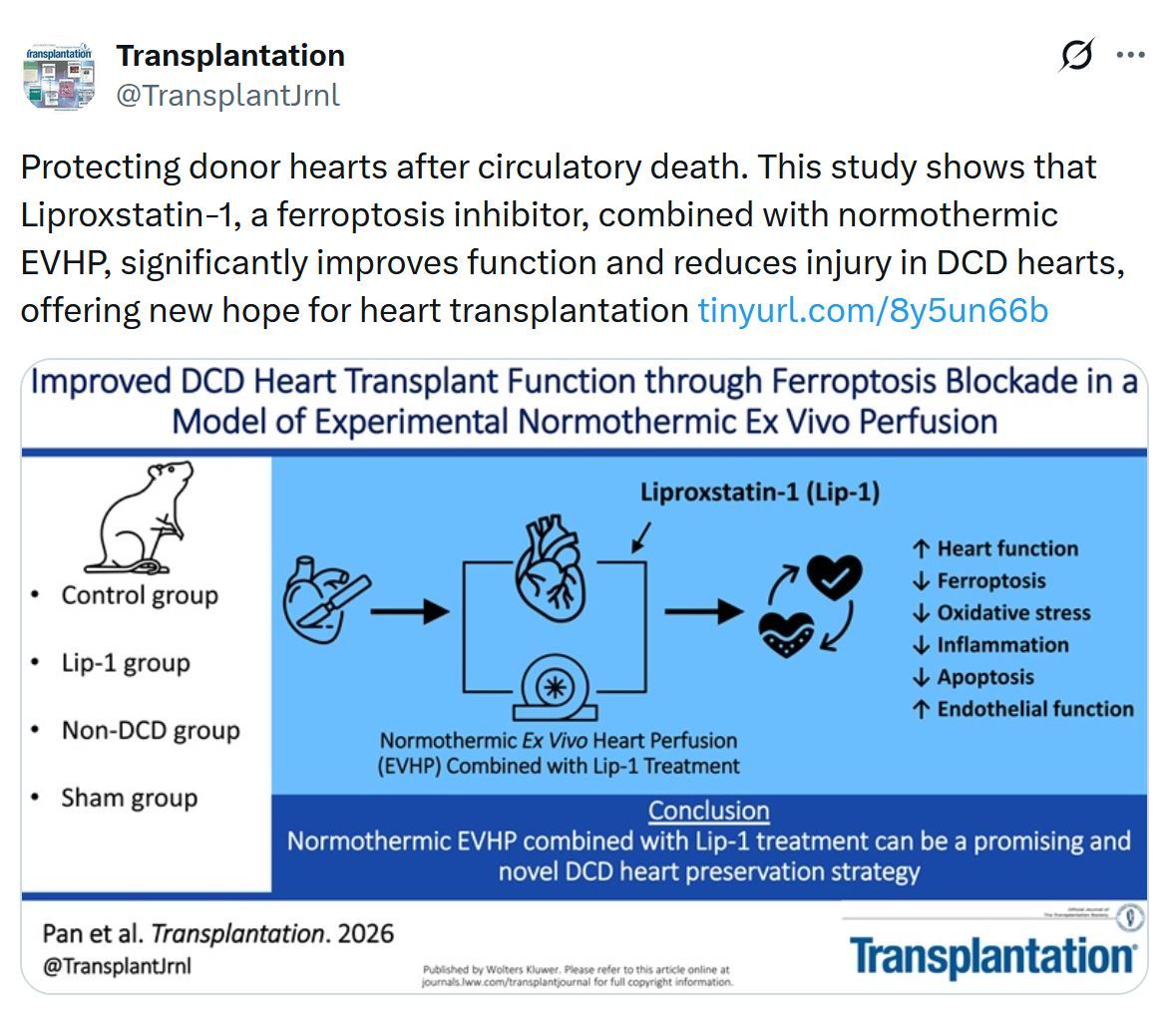
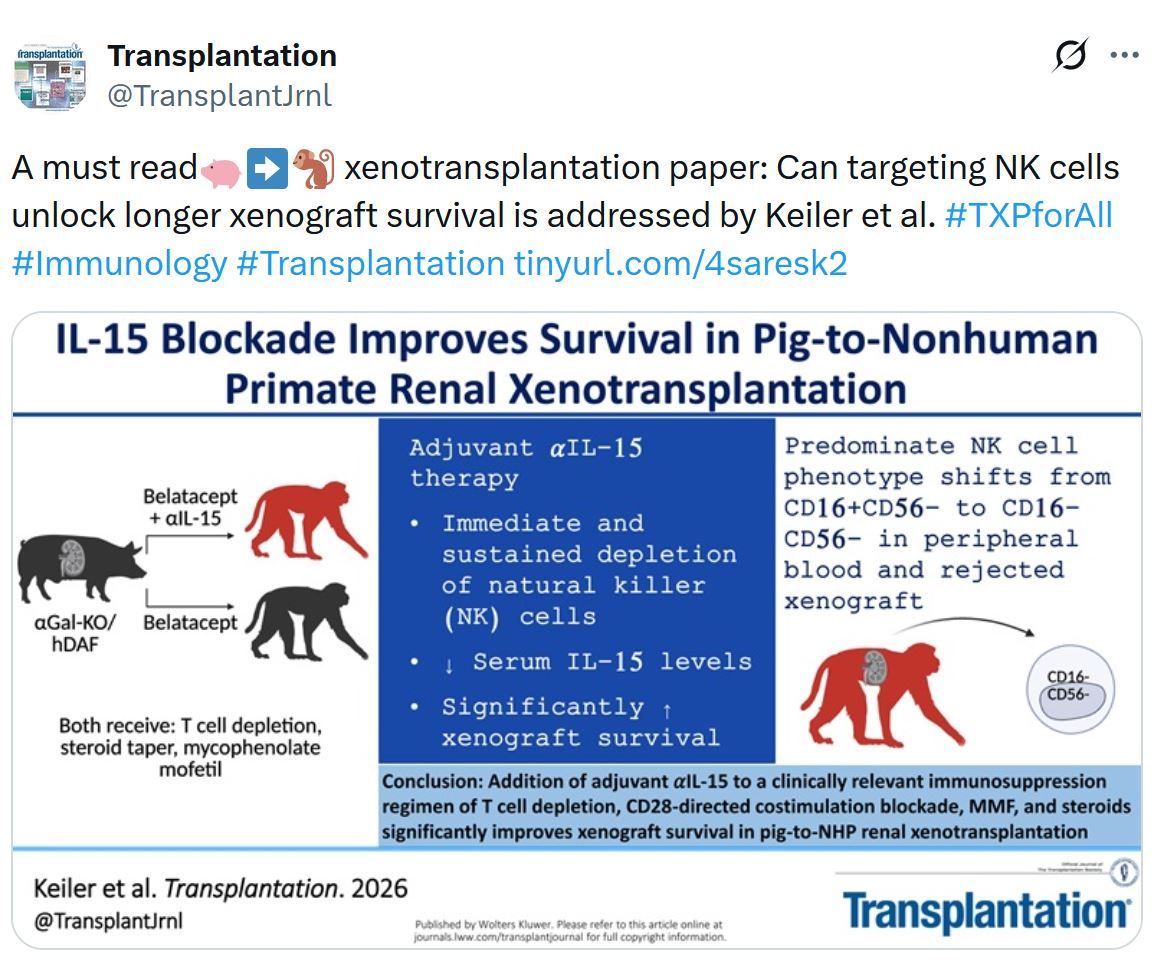
Transplantation Journal - Social Media Content
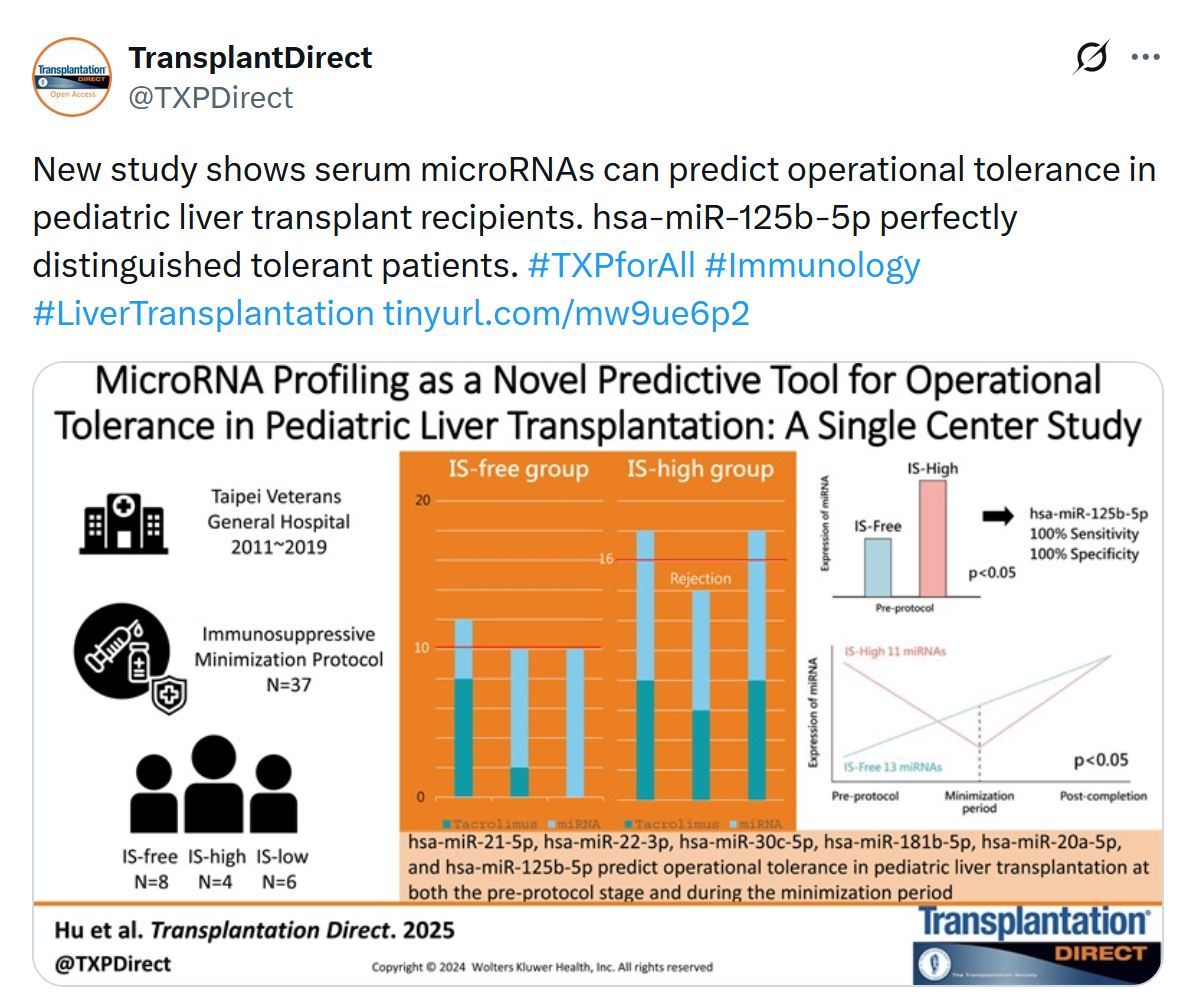
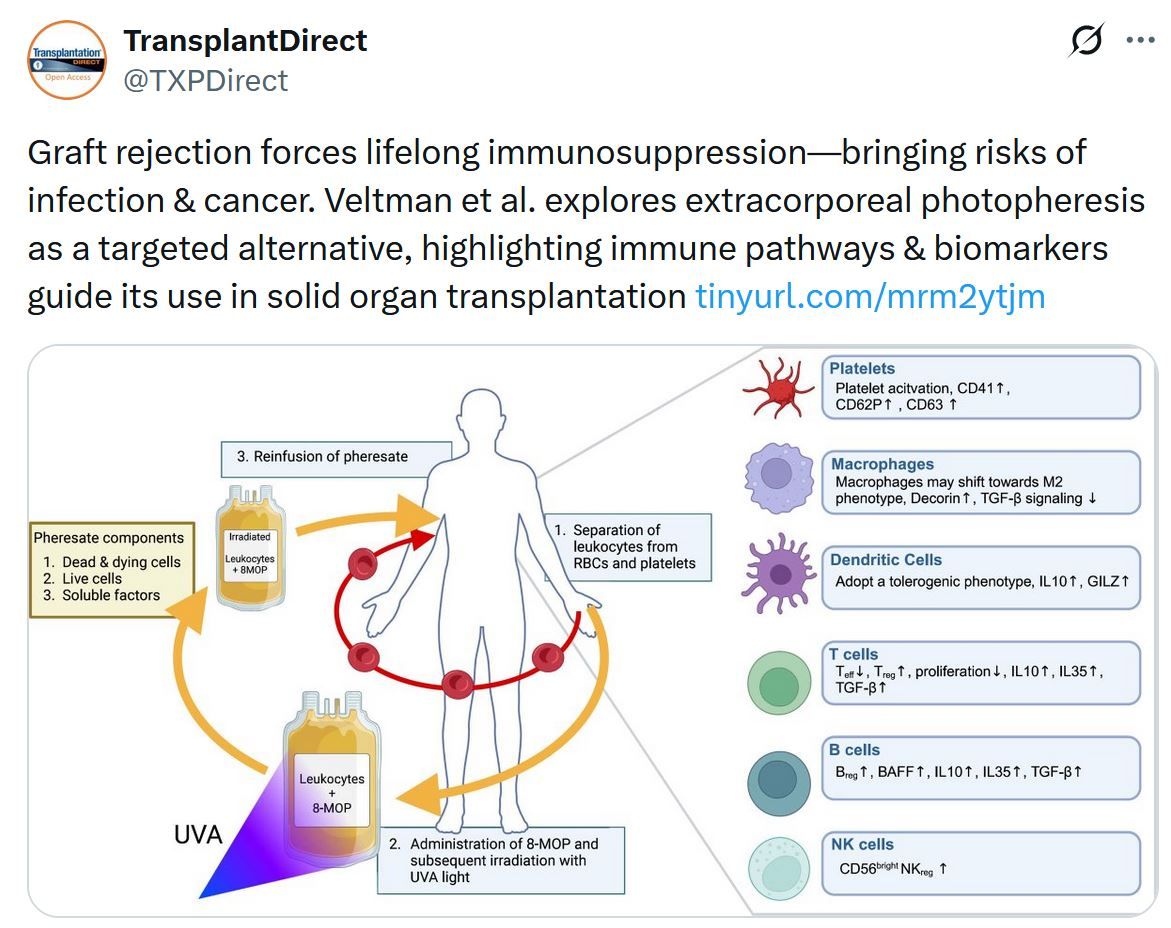
Transplantation Direct - Social Media Content
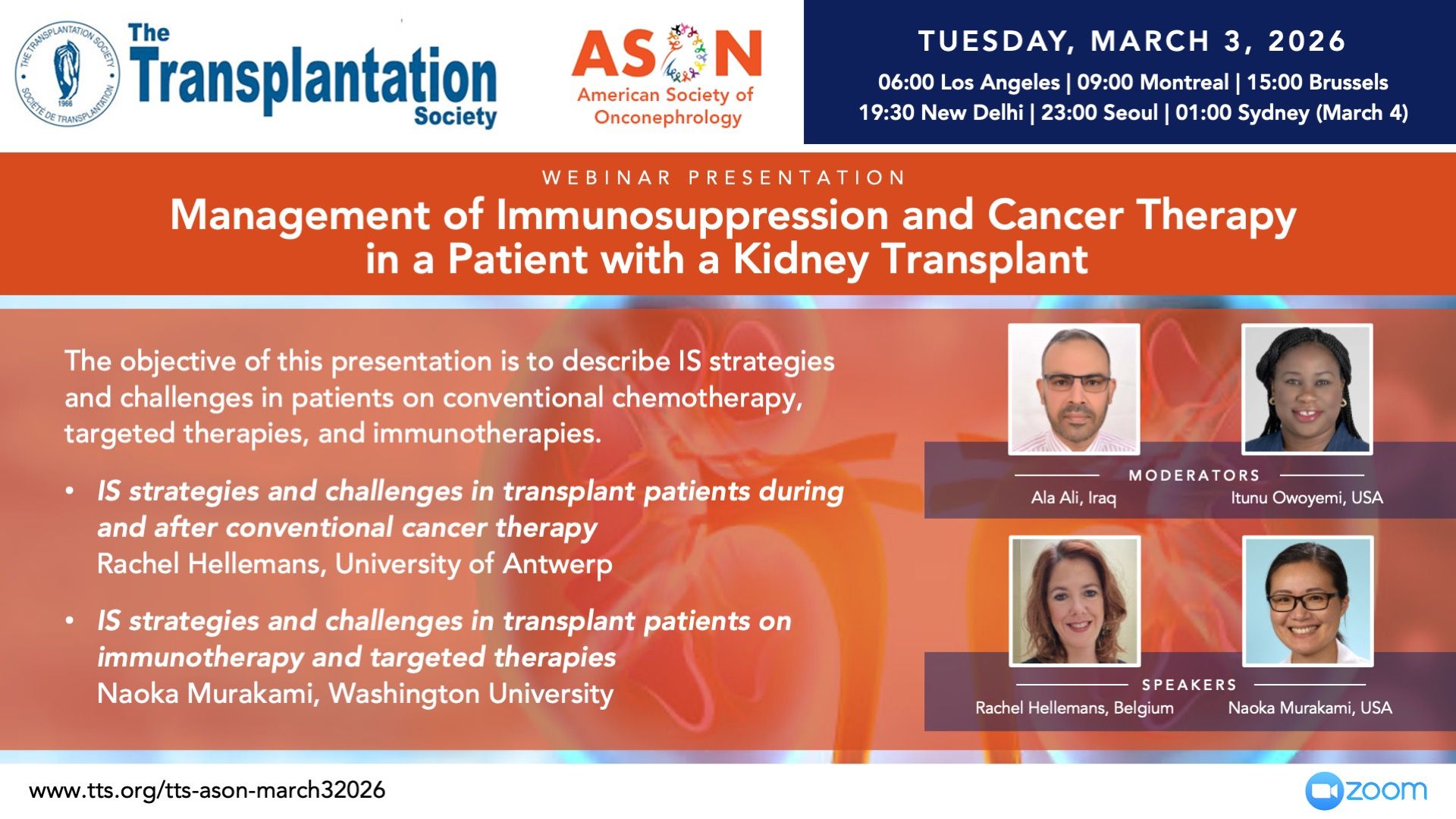
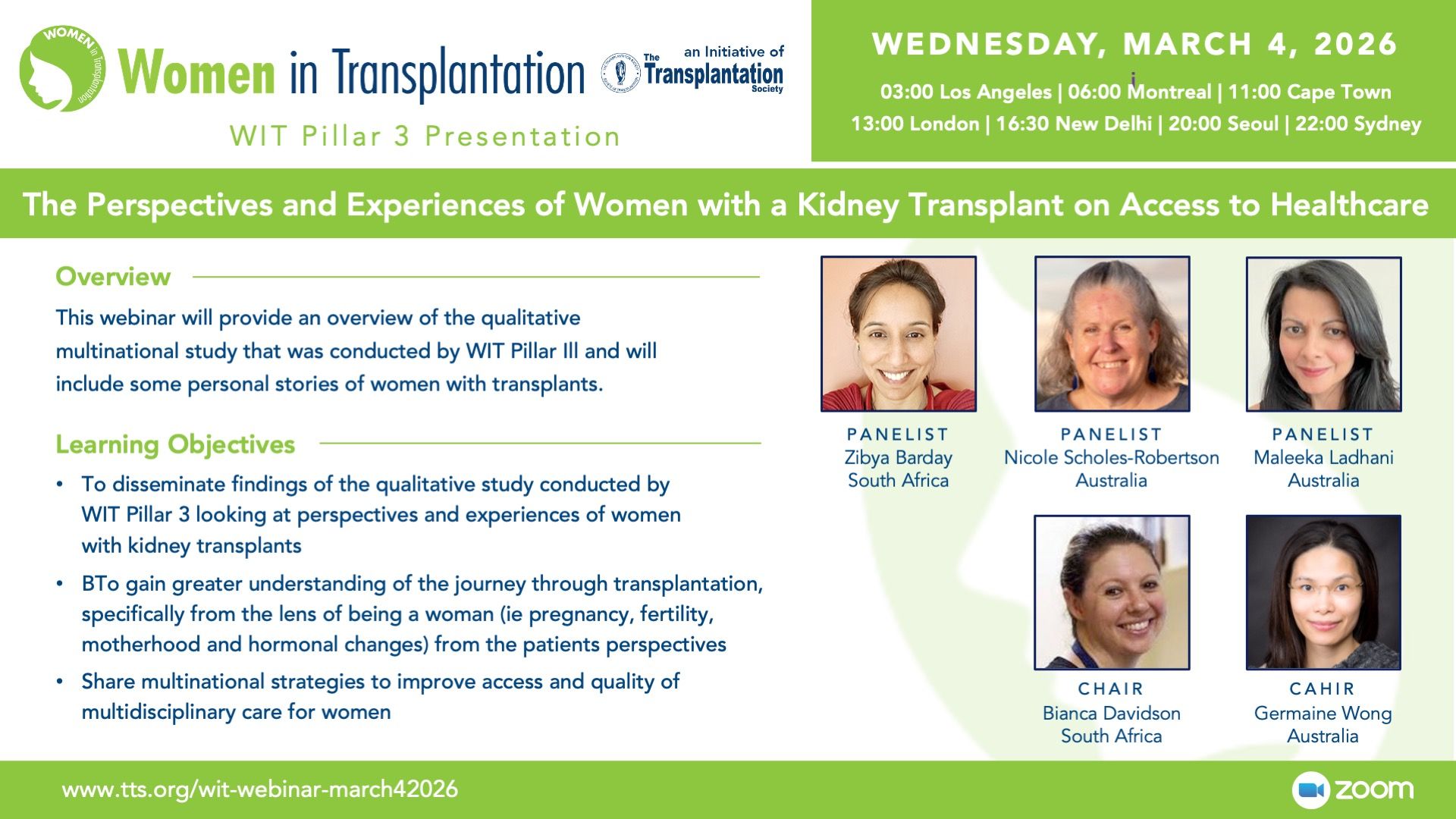
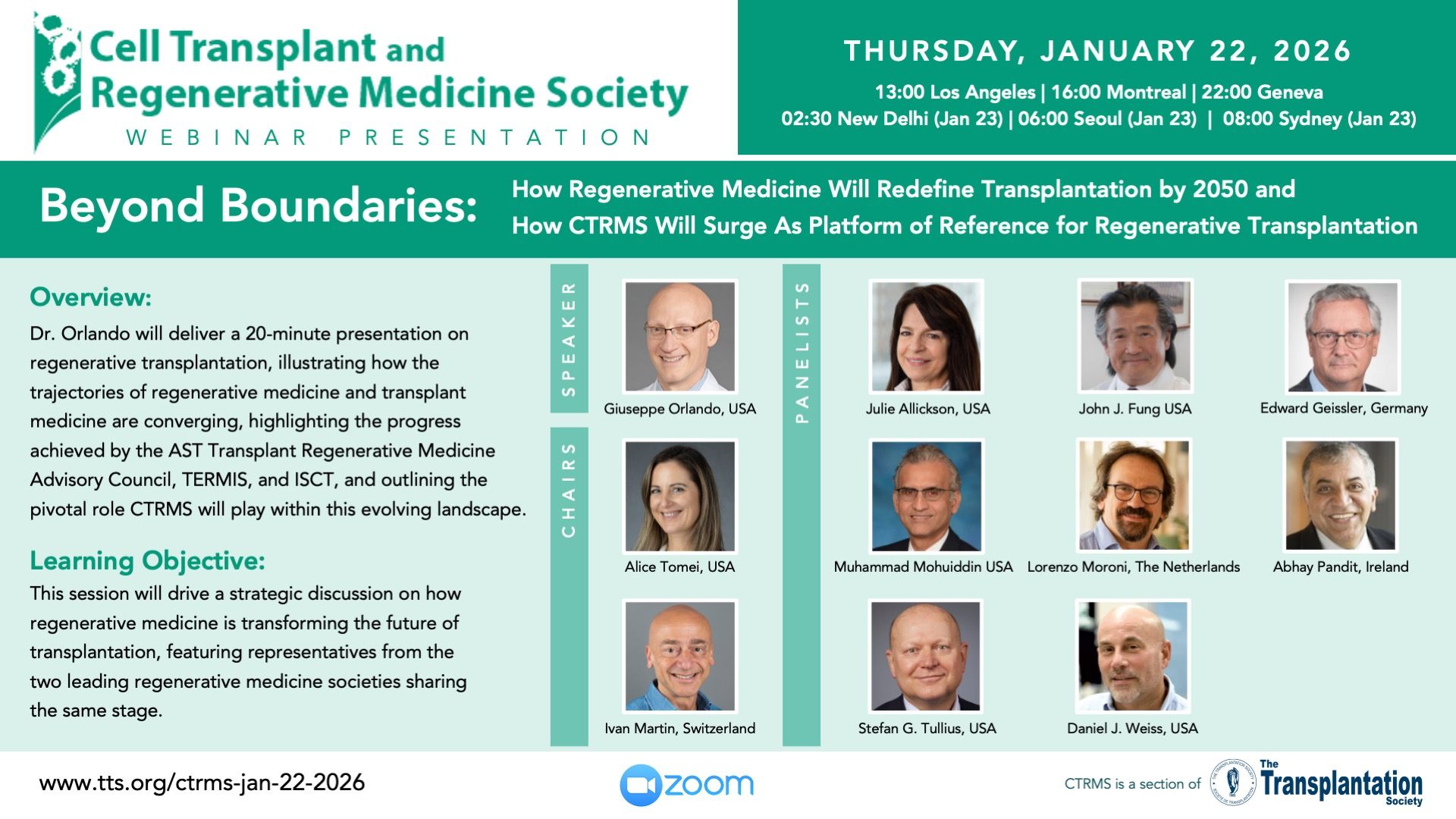
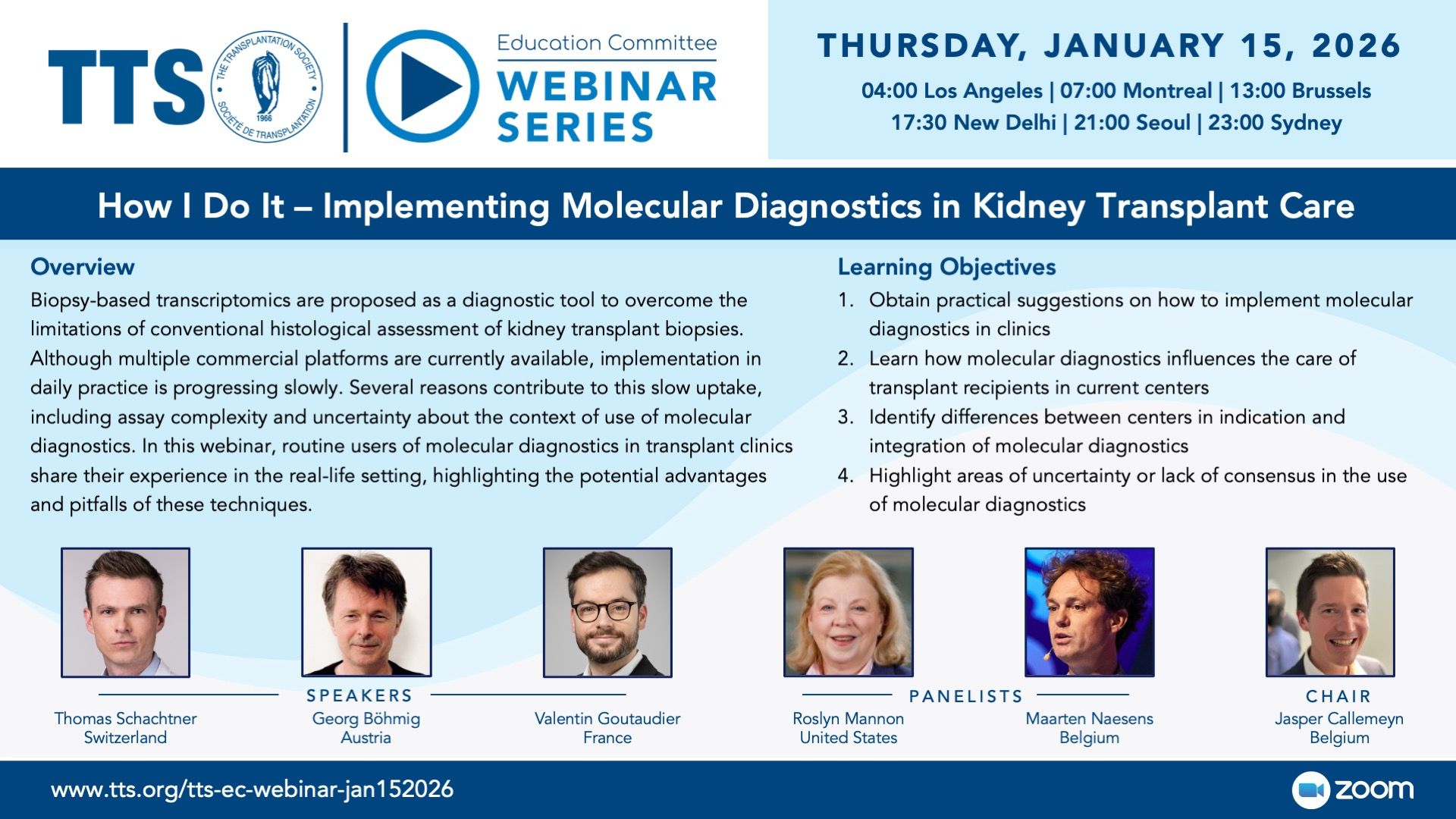
Upcoming Webinar Presentations
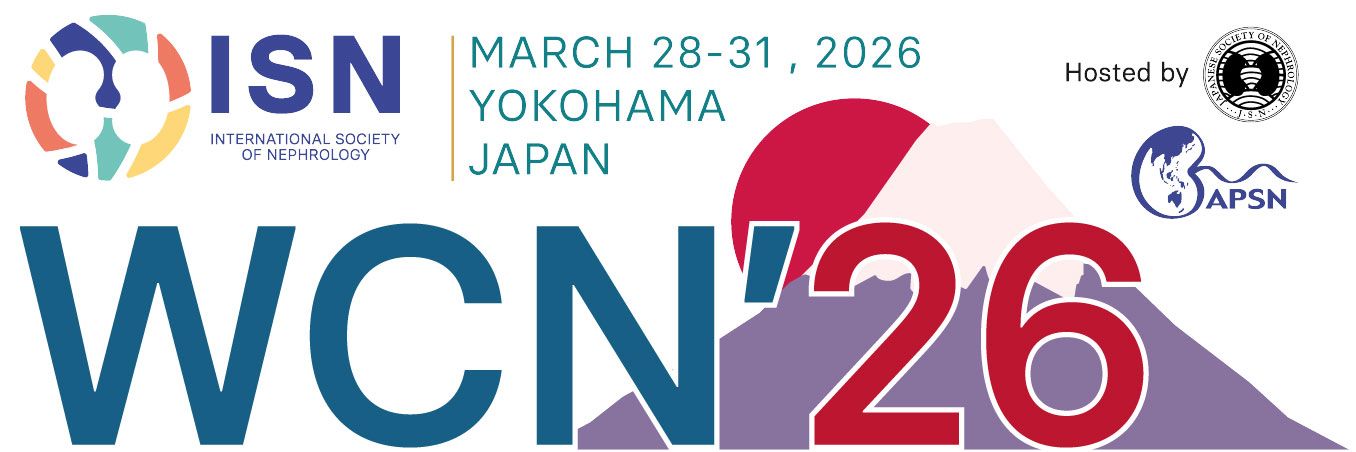
DICG & TTS @ WCN 2026 - Yokohama, Japan
ISN-DICG Joint Session: Organ Trafficking and Transplant Tourism — New Approaches for Prevention

Mandatory Reporting of Suspicious Cases

Incentives to Reduce Organ Shortage

Addressing Inequities to Prevent Organ Trafficking and Transplant Tourism
ISN-TTS Joint Session
March 31 - 09:10 - 10:40

Understanding Gender Disparities in Kidney Transplantation - a Causal Inference Approach

Pragmatic Medicine - Learning From the Indian Experience

Strategies to Help Kidney Transplant Recipients Navigate Through the Complex Medical System Using Patient Navigation

Reducing the Environmental Footprint in Transplantation



Contact
Address
The Transplantation Society
International Headquarters
740 Notre-Dame Ouest
Suite 1245
Montréal, QC, H3C 3X6
Canada
Используйте Вавада казино для игры с бонусом — активируйте промокод и начните выигрывать уже сегодня!