
SPLIT Webinar - January 29, 2026
Presentation from the Multi-Disciplinary Committee
To Vaccinate or Not To Vaccinate: Who is the Question
An Update on Live Vaccines in the Pediatric Liver Transplant Recipient

Megan Faseler, USA
Children’s Mercy Hospital, Kansas City, USA
SPLIT - Member of Education and Multi-D Committees
Megan Faseler, BSN, RN, CPN, CCTC, has been a liver transplant nurse coordinator at Children’s Mercy Hospital since 2011. Megan is a member of the Society of Pediatric Liver Transplantation (SPLIT) Education Committee as well as the Multi- D Committee. She is also a member of the American Society of Transplantation (AST).

Alexis Liberto, USA
Clinical Pediatric Psychologist – Ochsner Children’s Hospital
New Orleans, LA, USA
Dr. Alexis Liberto practices pediatric psychology at Ochsner Health in New Orleans. She received her Bachelor of Arts in psychology from Hawai`i Pacific University and her PhD in clinical psychology from the University of Mississippi. She is part of Ochsner's pediatric multi-disciplinary solid organ transplant teams where she helps children and their families adapt and adjust to the changes that occur when diagnosed with a chronic medical condition and/or undergo organ transplantation. As a woman of color, Dr. Liberto is passionate about expanding access and services to underserved communities and helping families feel confident in effectively managing their healthcare.
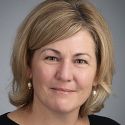
Dana Mannino, USA
Advanced Practice Nurse, Nemours Children’s Hospital Delaware
Wilmington, DE, USA
Dana Mannino, MSN, NP-C is an Advanced Practice Nurse within the Division of Solid Organ Transplantation at Nemours Children’s Hospital, Delaware. Dana is the Chair of the SPLIT Multi-Disciplinary Committee. She is also a member of the SPLIT Education Committee.

Sonia Mehra, USA
Dr. Mehra received her medical degree from Dayanand Medical College and Hospital, India and completed her pediatric residency from Einstein Medical Center, Philadelphia. She subsequently finished her pediatric infectious diseases and pediatric immune-compromised infectious diseases fellowship at the University of Utah. She is currently an Assistant Professor in the Division of Pediatric Infectious Diseases at the University of Utah and Primary Children’s Hospital. Dr. Mehra’s clinical interests include epidemiology of infections in immune-compromised children with cancer therapy or those who have received bone marrow or solid organ transplant. Her other interests include judicious use of antimicrobials and improved quality of life in this vulnerable patient population.

Victoria Blazek, USA
Clinical Pharmacy Specialist
Children’s Mercy Hospital
Kansas City, MO, USA
Victoria Blazek, PharmD, BCPPS is a Clinical Pharmacy Specialist at Children’s Mercy Hospital and an Adjunct Clinical Assistant Professor at the University of Missouri Kansas City School of Pharmacy. She works with the Liver Transplant and Advanced Cardiac Therapies and Transplantation teams. She is the principal investigator on an ongoing study assessing the use of the measles, mumps, and rubella (MMR) vaccine in heart transplant patients. Victoria also serves on several committees within the American Society of Transplantation Transplant Pharmacy Communities of Practice.

Lauren Pratscher, USA
Liver Transplant Coordinator
Children's Hospital Colorado
Lauren Pratscher, BSN, RN, CCTC, is a liver transplant coordinator at Children's Hospital Colorado. Lauren is a member of the SPLIT Multi-Disciplinary Committee and is a member of local CTNS (Colorado Transplant Nurses Society) chapter.
Contact
Address
The Transplantation Society
International Headquarters
740 Notre-Dame Ouest
Suite 1245
Montréal, QC, H3C 3X6
Canada
Используйте Вавада казино для игры с бонусом — активируйте промокод и начните выигрывать уже сегодня!